

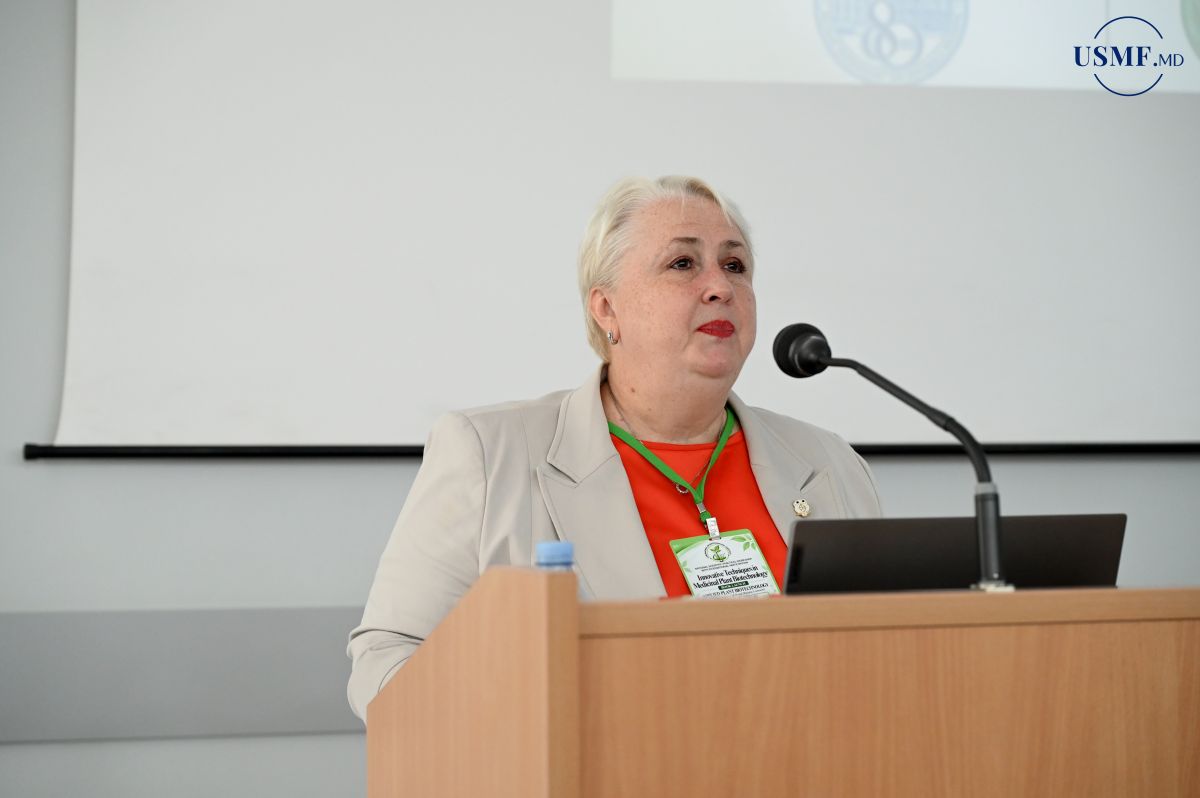
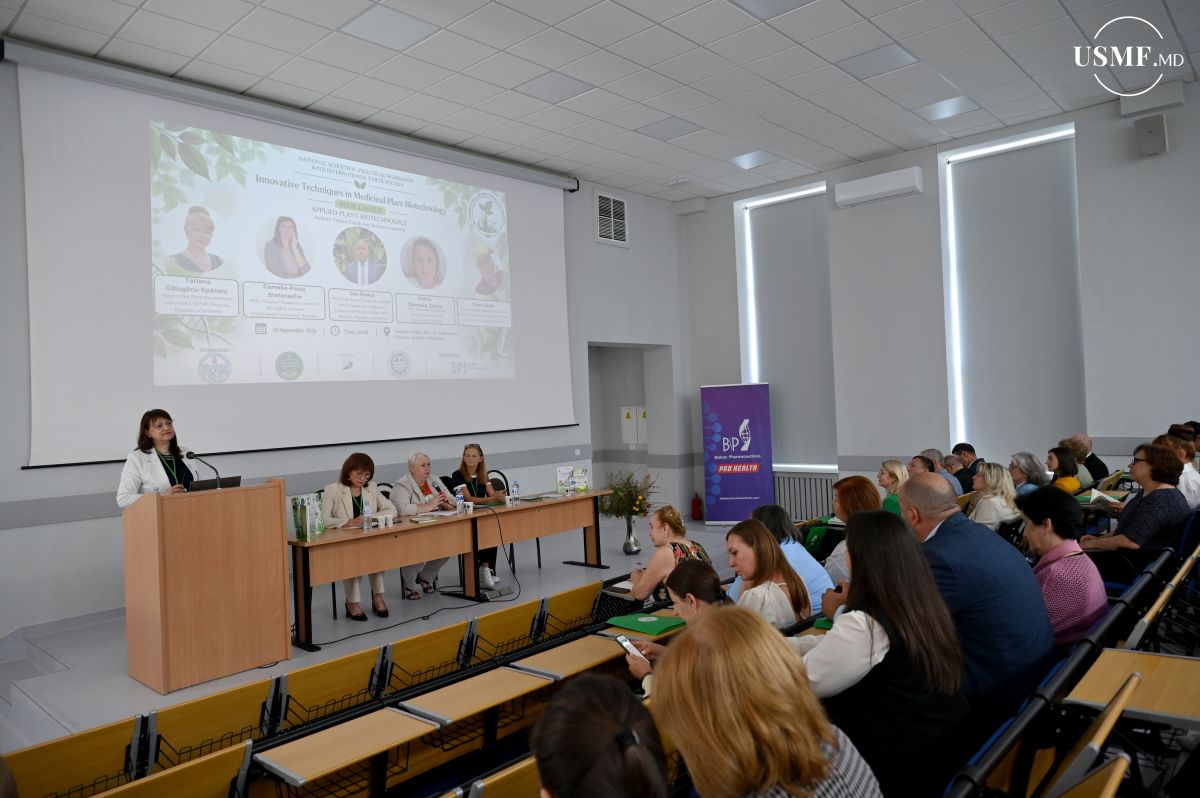
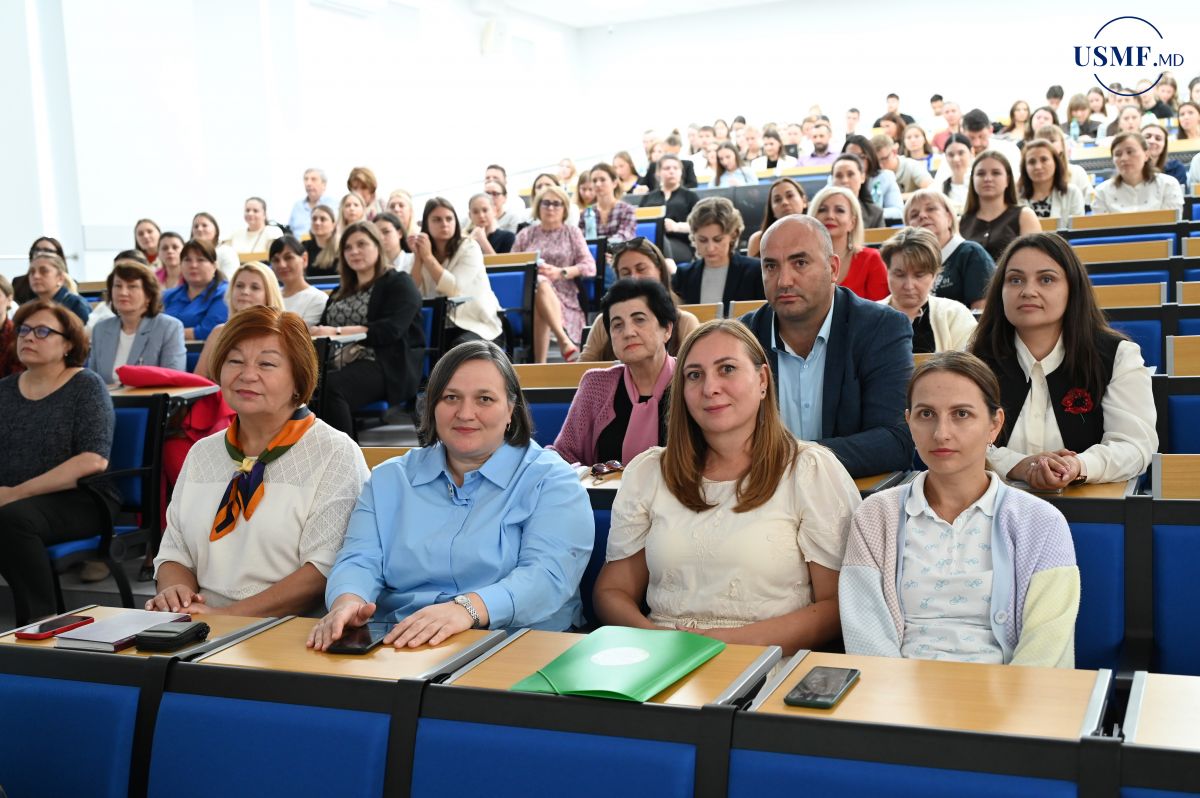
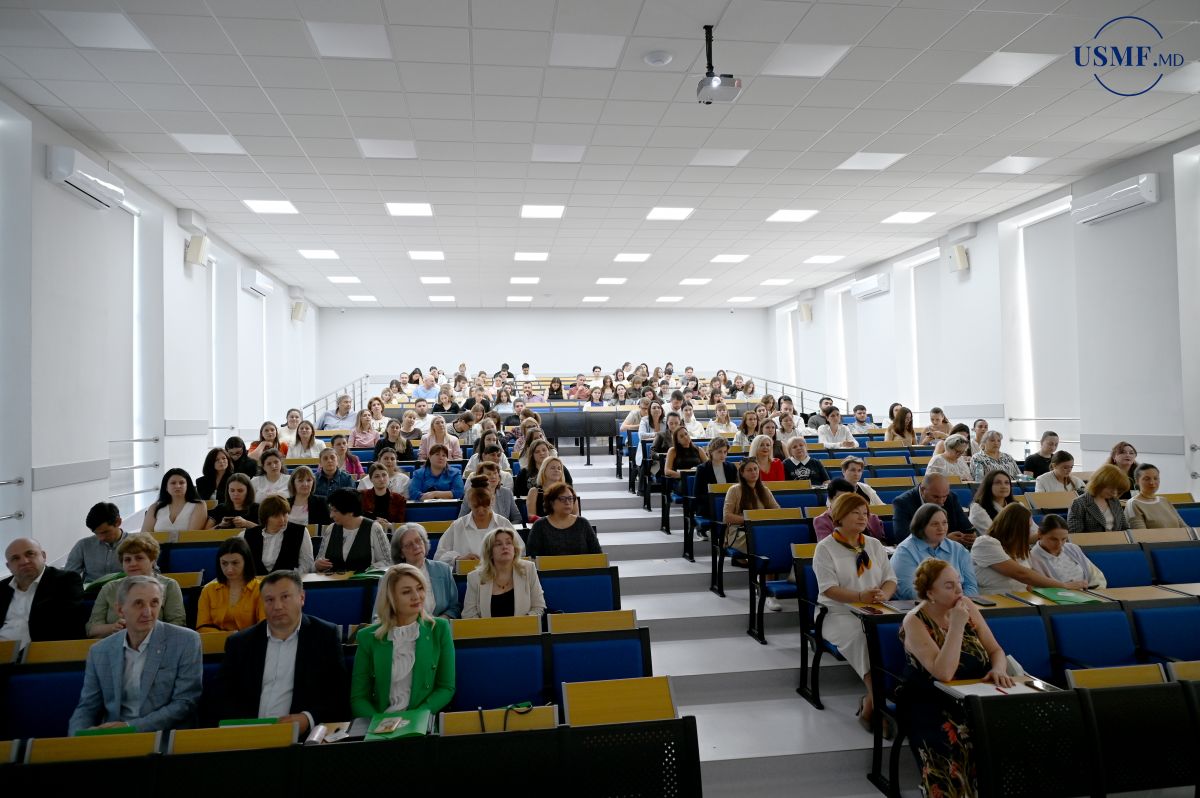
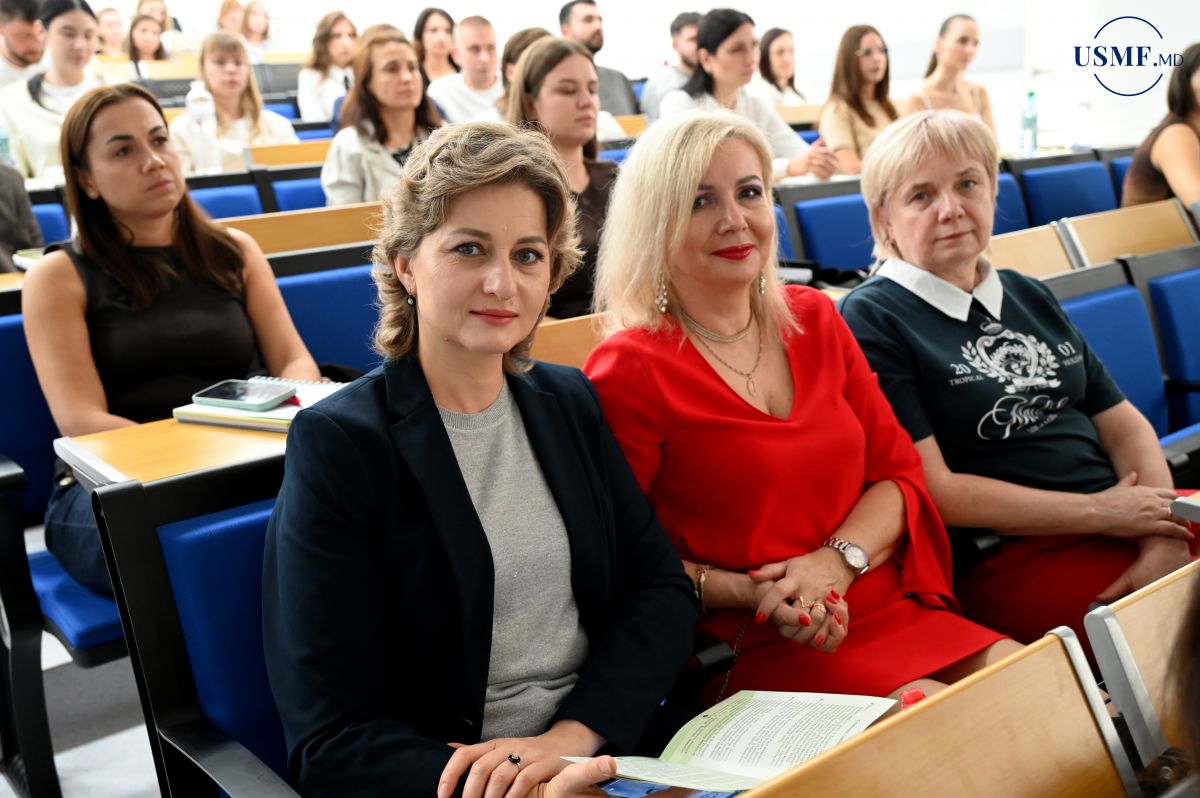
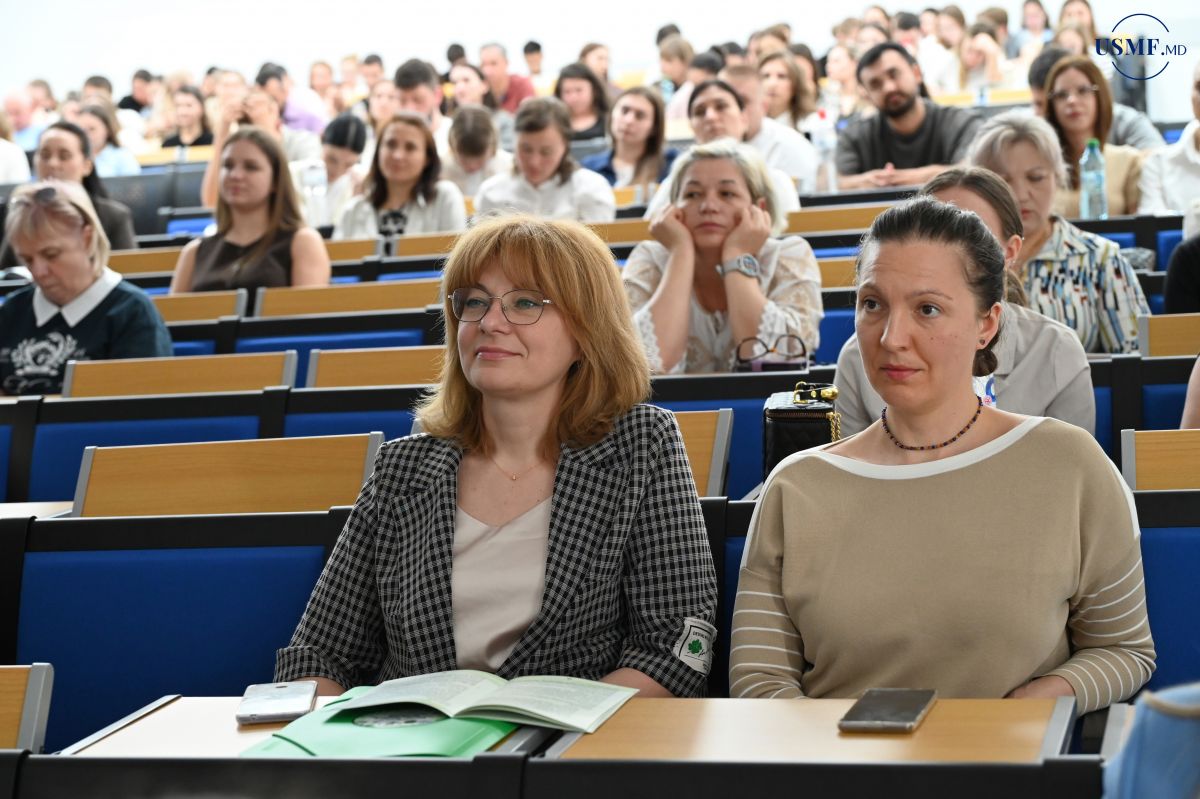
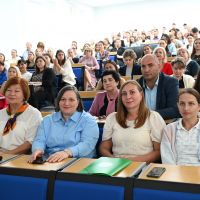
 Specialists in medicinal plant biotechnology from the Republic of Moldova, Romania, Italy and Poland participated in the national scientific and practical workshop with international participation, “Innovative Techniques in Medicinal Plant Biotechnology”, held at Nicolae Testemitanu State University of Medicine and Pharmacy on September 18, 2026. The event brought together representatives of the academic community and pharmaceutical industry, researchers, students and pharmacy residents.
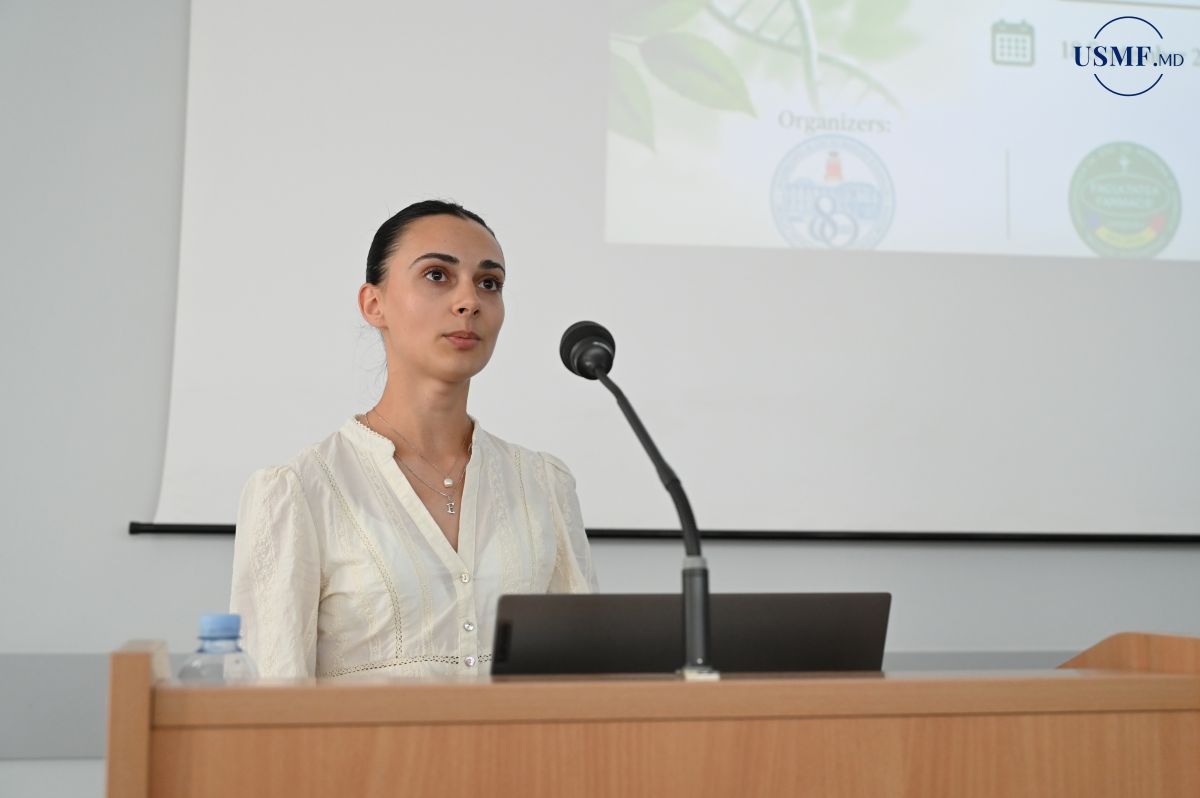
Associate Professor Livia Uncu, Dean of the Faculty of Pharmacy and Head of the Department of Pharmaceutical and Toxicological Chemistry, noted that the workshop marks the transition of the pharmaceutical community in the Republic of Moldova towards advanced applied research in plant biotechnology, strengthening international partnerships and providing educational resources. “Today, medicinal plants and plant-based products are viewed from new, innovative technological perspectives, going beyond the traditional approaches of 10-20 years ago. The exchange of experience between educational institutions, research centres, laboratories, and representatives of the pharmaceutical industry and drug manufacturing sector is essential for knowledge transfer, the development of practical skills, and the identification of new research and innovation directions,” the Dean stated.
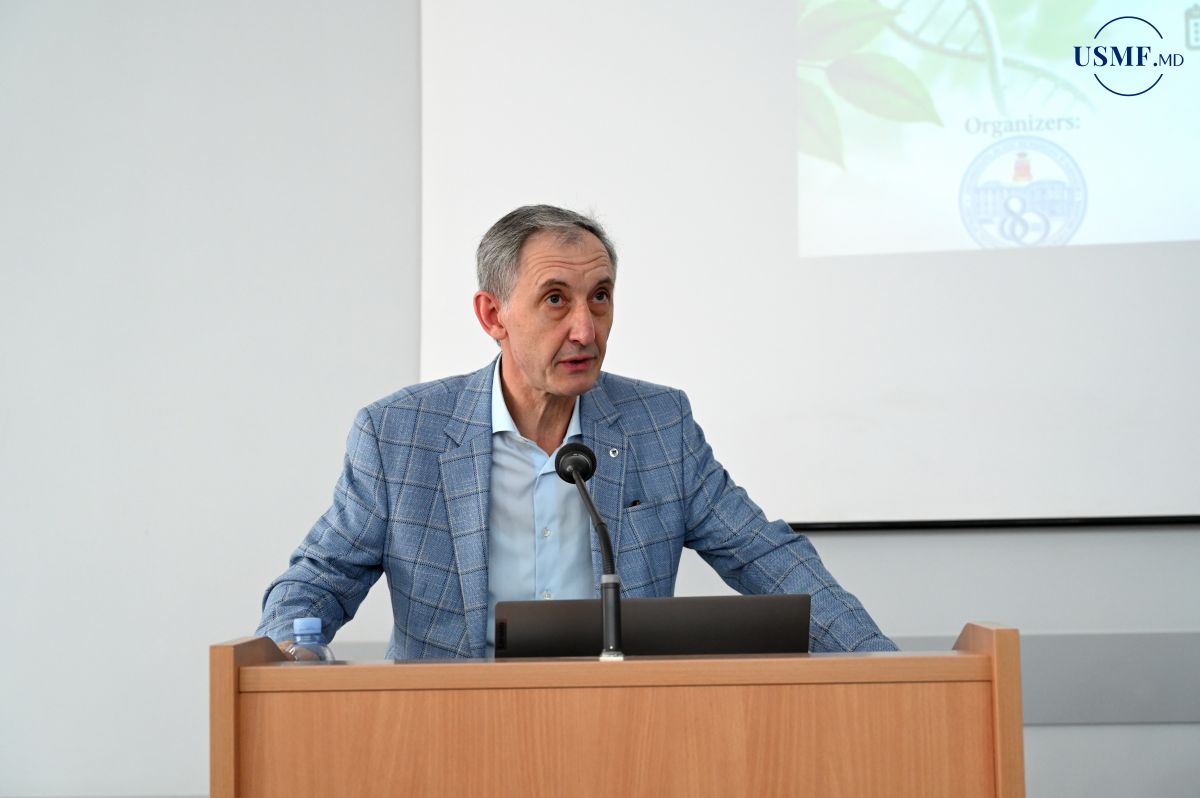
According to Professor Mihail Todiras, Head of the Health and Biomedicine Research Centre within the National Institute for Research in Medicine and Health (NIRMH) of Nicolae Testemitanu University, the institution currently has an integrated value chain, ranging from fundamental research to the experimental production of biopharmaceutical medicines. The University has 30 laboratories, three of which have been established over the past two years, focusing on plant biotechnology, nanotechnology and, the third, operating under the Drug Development Centre. “We already have several biopharmaceutical medicines that have been experimentally produced. The other centres will contribute to the generation, characterization and promotion of the substances and formulations that these laboratories will produce. We are also open to any collaboration with industry and other academic research institutions in order to bring new, so to speak, perspectives to this field,” the Professor specified.
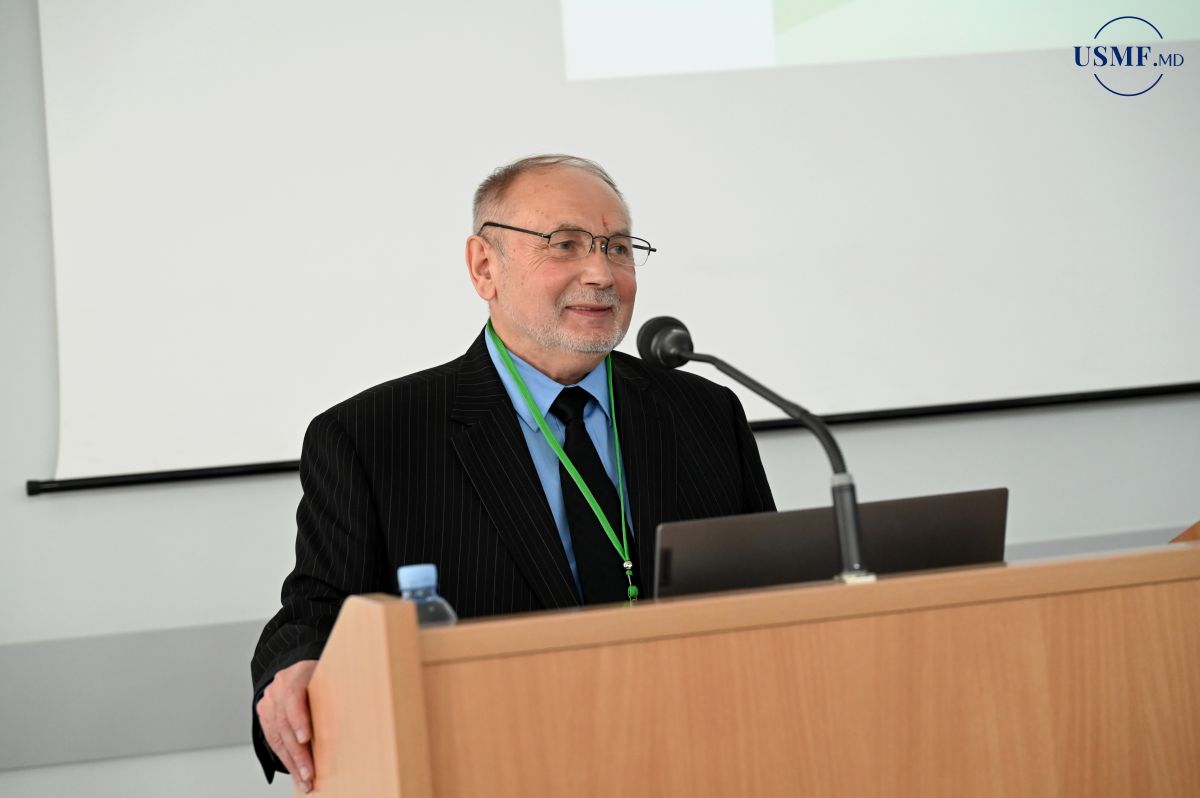
 In the opinion of Professor Vladimir Valica, Head of the Drug Development Centre, the topic addressed is highly relevant, as medicinal plants represent not only an important source of biologically active substances, but also a genuine reservoir of opportunities for modern pharmaceutical and biotechnological research. In recent decades, the transition from the traditional use of medicinal plants to integrated scientific approaches has opened up new perspectives for the identification, enhancement, production, standardization and use of natural products. Today, plant biotechnology provides modern tools that enable us to make more effective use of this natural wealth while preserving the key requirements of safety and sustainability.
Associate Professor Stela Adauji, Head of the Vasile Procopisin Department of Social Pharmacy, and Vice-President of the Association of Pharmacists of the Republic of Moldova, pointed out that the workshop's theme is unquestionably relevant. Medicinal plant biotechnology offers new perspectives for obtaining and harnessing biologically active compounds, developing products for pharmaceutical, cosmetic and nutraceutical applications, and identifying modern, effective and sustainable methods for using plant resources, particularly indigenous ones, in plant-based products.
“For the pharmaceutical profession, this development has particular significance, and an in-depth understanding of the origin, characteristics and potential uses of plant-derived products represents an important component of pharmacists' professional education and continuing training. Therefore, we consider it essential that fundamental and applied research remain permanently connected to education and practical pharmaceutical needs,” Stela Adauji concluded.
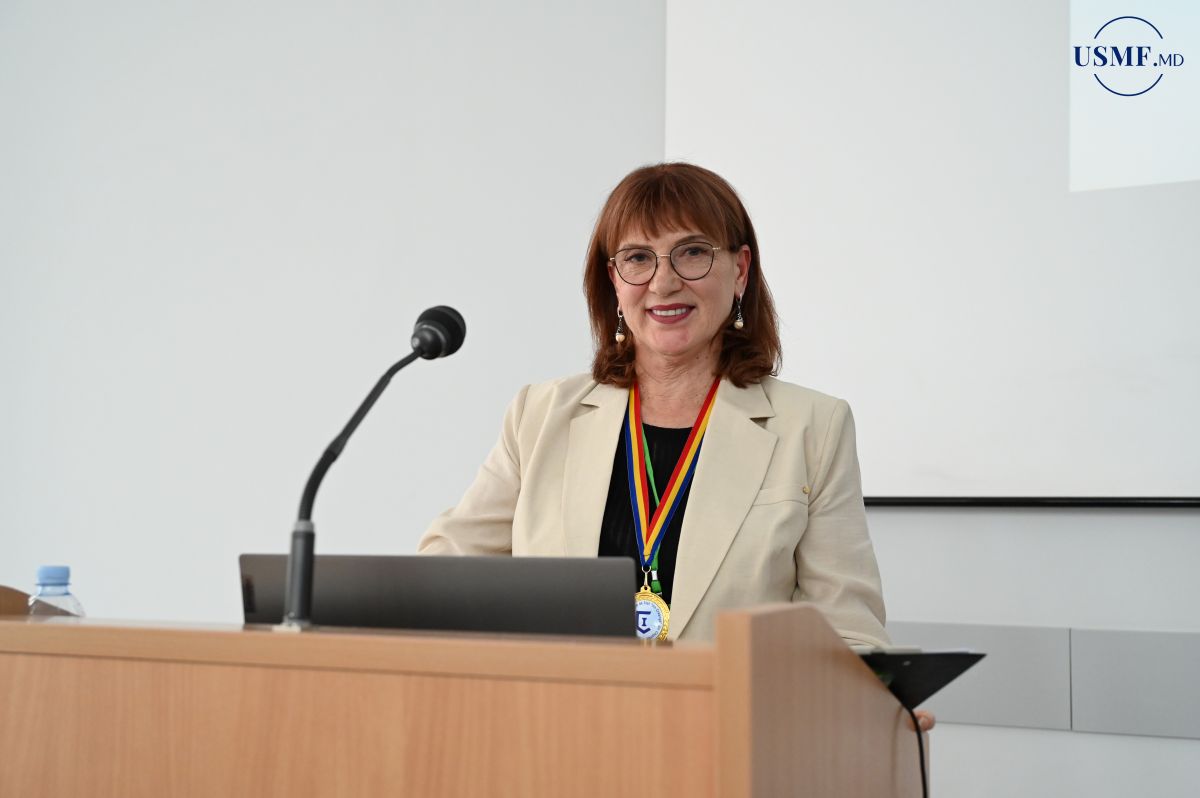
 A special moment of the event was the launch of the book Applied Plant Biotechnology, authored by Professor Tatiana Calalb, Head of the Department of Pharmacognosy and Pharmaceutical Botany at Nicolae Testemitanu University, and Mariana Lozinschii, Senior Researcher at the Plant Biotechnology Laboratory. The book represents a valuable contribution to strengthening scientific resources intended for students, medical residents, researchers and professionals interested in plant biotechnology and its applications. The textbook is to be donated to the University's Scientific Medical Library and will be available electronically in the institutional repository. During the event, author Tatiana Calalb was awarded the Gold Medal obtained for presenting this textbook at the 4th edition of the International Exhibition of Inventions and Innovative Entrepreneurship, organized by Ion Creanga State Pedagogical University of Chișinău on June 19-20, 2026.
“This work aims to create a genuine bridge between academic theory and everyday practice, having been designed not only as rigorous theoretical material but also as a dedicated resource for practical assignments. The labour market is more diverse than ever, which is why comprehensive, in-depth and firmly grounded interdisciplinary training is needed. The future pharmaceutical specialist – working in a field whose origins remain rooted in the world of plants and which continues to be of constant relevance – must go far beyond the fundamental core disciplines. Through this new educational platform, we aim to train highly competent specialists. Our objective is to provide beneficiaries with the necessary tools not only for traditional pharmaceutical practice in community or hospital pharmacies, but also for a successful career in research and innovation,” Professor Tatiana Calalb stated.
In turn, Associate Professor Nicolae Ciobanu, Head of the Department of Drug Technology, noted that the launch of this textbook is the result of the implementation of the World Bank project “Higher Education in Moldova”. Within this project, not only was the Plant Biotechnology Laboratory established, but the Plant Biotechnology course was also introduced for the second consecutive year for fourth-year students enrolled in the Pharmacy bachelor's degree programme, as well as for postgraduate students. “Personally, what impressed me most was the rigorous, highly academic and distinctly interdisciplinary approach to the material. Thanks to this structure, future pharmacists will not only understand complex biotechnological processes but will also acquire practical application skills, ranging from the propagation of medicinal plants to the production of biologically active compounds,” the Associate Professor concluded.
 Special guests from abroad and the Republic of Moldova included: Professor Giancarlo Statti (Calabria, Italy); Professor Karolina Skala (Poland); Dr Oana Cioanca (Grigore T. Popa University of Medicine and Pharmacy of Iasi); Dr Doina Clapa (co-organizer); Dr Cristian Banciu (Institute of Biology of the Romanian Academy); and Dr Camelia Stefanescu (Piatra Neamt), Romania; Dr Ion Rosca; the team of the Institute of Genetics, Physiology and Plant Protection; and representatives of Ion Creanga State Pedagogical University and the Technical University of Moldova.
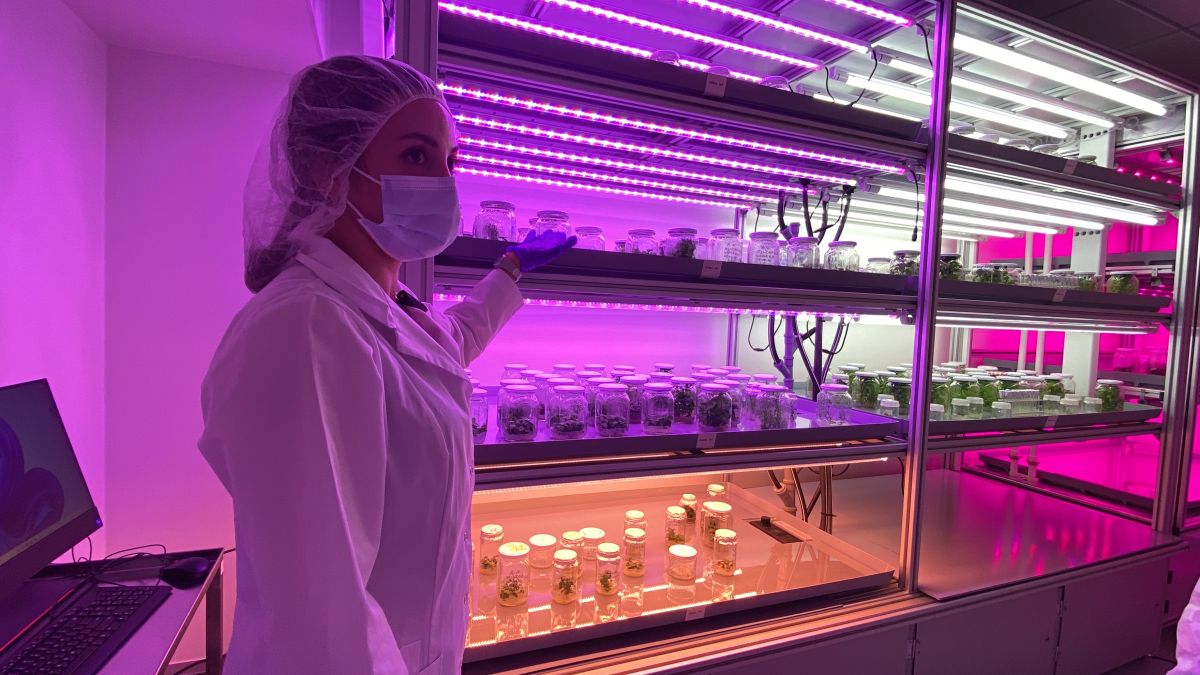
The forum programme included scientific presentations and three practical activity modules held at the Plant Biotechnology Laboratory. The practical component was complemented by an exhibition of biotechnological samples presented by the participating institutions, aimed at showcasing relevant experiences from specialized laboratories and facilitating professional interaction among participants.
The event was organized by the Department of Pharmacognosy and Pharmaceutical Botany, the NIRMH, the Plant Biotechnology Laboratory and the Drug Development Centre within Nicolae Testemitanu University, in collaboration with the Association of Pharmacists of the Republic of Moldova.
The Plant Biotechnology Laboratory was established within the Drug Development Centre with the support of the FORCE_FARM subproject, “Modernization and Strengthening of Education through Research in Pharmacy and Medicine”, which is part of the “Higher Education in Moldova” Project, coordinated by the Ministry of Education and Research with financial support from the World Bank. The newly established component aims to promote research-based education for students enrolled in the Pharmacy programme and to expand biotechnological research with applications in the pharmaceutical, cosmetic and nutraceutical fields.




















Preluarea informației de pe site-ul USMF „Nicolae Testemițanu” poate fi efectuată doar cu indicarea obligatorie a sursei și a linkului direct accesat pe www.usmf.md.
© USMF, 2023. All rights reserved.
Comentarii